Health and Safety Policy for Woking Removals
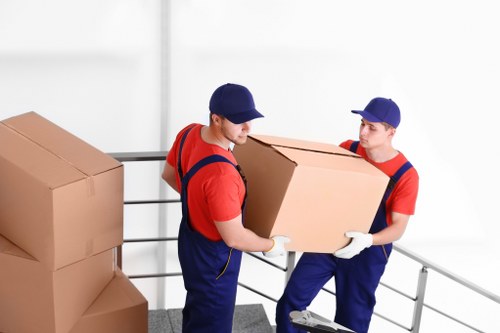 At Woking Removals, health and safety is at the centre of every move we plan and complete. Our commitment is to protect our team, our customers, their belongings, and any property we work in or around. A safe move is not only about avoiding accidents; it is also about maintaining professionalism, reducing disruption, and ensuring every stage of the removals process is carried out responsibly. This removals health and safety policy sets out the standards we expect from everyone involved in our work.
We understand that moving day can be busy, physically demanding, and time-sensitive. Because of this, our approach is built on careful preparation, clear communication, and sensible risk control. Whether we are handling household furniture, office equipment, or fragile items, we apply the same principles: assess the situation, reduce hazards, and work methodically. Our team is trained to recognise risks and to take practical action before problems arise.
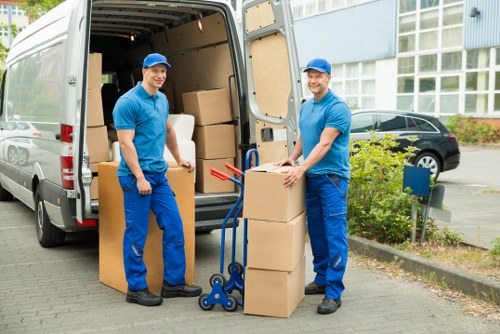 This policy applies to all staff, contractors, and anyone assisting with our operations. It covers lifting and carrying, loading and unloading, vehicle safety, use of equipment, site awareness, and the general conduct expected during every move. We aim to create a working environment where safety is not treated as an extra step, but as a normal part of doing the job properly.
Our Commitment to Safe Working
Woking Removals takes every reasonable measure to protect people and property. We carry out risk assessments where needed and review working conditions before starting any removal. This includes checking access routes, stairs, doorways, flooring, parking arrangements, and any issues that may affect safe handling. If we identify a hazard, we will take action to reduce it or adjust the work plan accordingly.
Our staff are expected to work in a calm, controlled, and attentive manner. Rushing increases the chance of injury and damage, so we encourage steady teamwork and clear instructions. Where an item is too heavy, awkward, or unsafe to move alone, the task must be shared, supported with equipment, or completed using an alternative method. We do not expect anyone to take unnecessary risks for the sake of speed.
 We also recognise that health and safety includes the wellbeing of our staff. Manual handling, repetitive lifting, and long hours can lead to fatigue, strain, and reduced concentration. For that reason, our scheduling and workload planning aim to support safe performance throughout the day. Regular breaks, proper hydration, and realistic task allocation all contribute to a safer operation.
Manual Handling and Equipment Use
Manual handling is one of the most important aspects of a safe removals service. All lifting should be planned before the item is moved. Staff should assess weight, shape, balance, grip, and travel distance, then decide whether the item can be carried safely by hand or whether a trolley, sack truck, straps, blankets, or other equipment is required. Team lifting should always be coordinated so that movements are smooth and predictable.
We expect everyone to use equipment correctly and only for its intended purpose. Equipment must be checked before use and taken out of service if it shows signs of damage or wear. If an item cannot be moved safely using standard methods, the move should pause until the safest solution is identified. This may involve reducing the load, changing the route, or using additional help. Safety always takes priority over convenience.
Our vehicles are loaded carefully to prevent shifting, crushing, or imbalance during transit. Heavy items are placed securely, fragile items are protected, and any loose components are fastened or separated as needed. Safe loading is essential not only for the team but also for the protection of the customer???s belongings. A well-secured vehicle reduces the risk of damage and helps ensure safe unloading at the destination.
Workplace and Site Safety
Every property presents different challenges, and our moving company safety policy requires staff to remain alert to changing conditions. Wet floors, poor lighting, tight corridors, uneven steps, pets, children, and clutter can all create hazards. We ask customers to help by keeping pathways as clear as possible, but our team also takes responsibility for identifying and managing risks throughout the job.
Where access is restricted or conditions are less than ideal, we may adjust the order of work, use protective materials, or assign additional support. We will not force items through spaces that are too narrow or unstable. Instead, we will pause, reassess, and select the safest available approach. This helps prevent injuries to people and damage to walls, floors, doors, and furnishings.
Personal protective equipment is used where appropriate to support safe working. This may include gloves, high-visibility clothing, and suitable footwear. PPE is not a substitute for good practice, but it provides an additional layer of protection when handling heavy goods, working near vehicles, or operating in environments where extra visibility or grip is beneficial.
Training, Reporting, and Review
 All team members are expected to understand and follow our health and safety procedures. Training is provided so that staff can lift correctly, communicate clearly, and respond safely to foreseeable hazards. We also encourage a culture of speaking up: if someone notices a problem, they should report it immediately so that action can be taken before an incident occurs.
Any accident, near miss, or equipment issue must be recorded and reviewed. This allows us to learn from experience and improve our procedures over time. Our policy is regularly checked to make sure it remains practical, effective, and aligned with the way we work. Continuous improvement is essential because the removals industry changes, and safety standards must stay current and relevant.
We also expect respectful behaviour at all times. Safe working depends on cooperation, clear instructions, and mutual awareness. Distraction, poor communication, or inappropriate behaviour can create avoidable risk. By maintaining professional standards, we help ensure that every move is carried out with care and confidence.
Conclusion
 The health and safety standards at Woking Removals are designed to protect everyone involved in a move while keeping the service efficient and dependable. From planning and manual handling to transport and site awareness, every stage is guided by a commitment to reducing risk and maintaining control. This removals safety policy reflects our belief that safe work is good work, and that every successful move begins with preparation, attention, and responsibility.