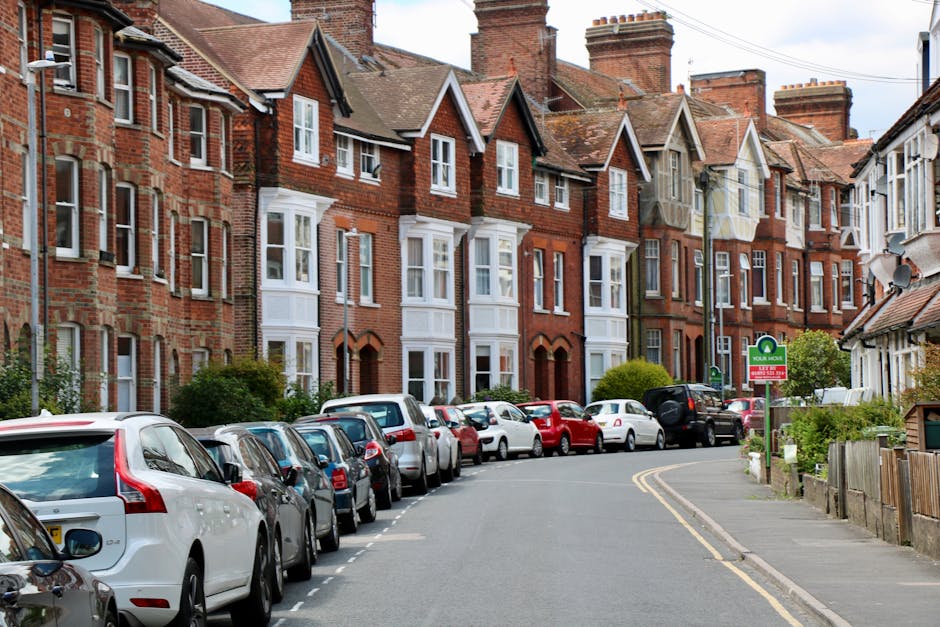
Goldsworth Park Woking House Removals Tips for Estate Parking
Moving house in Goldsworth Park can feel straightforward on paper, then suddenly the parking becomes the thing that throws the whole day off. A van blocks the path, a neighbour needs access, or the estate road is tighter than you remembered. If you are looking for Goldsworth Park Woking house removals tips for estate parking, you are in the right place. This guide walks through the practical bits that matter: how to plan parking on an estate, how to reduce delays, what to tell your removals team, and how to keep the move calm when space is limited.
Truth be told, estate parking can decide whether a move feels organised or slightly chaotic. The good news is that most problems are avoidable with a bit of preparation, a clear load-in plan, and sensible communication. Below, you will find a realistic, local-friendly approach that works for family homes, flats, and shared driveways alike.
Why Goldsworth Park Woking house removals tips for estate parking Matters
Estate parking is not just a small inconvenience. On moving day, it affects timing, safety, access, and even how much lifting your team has to do. In a place like Goldsworth Park, where estates often mix residential parking bays, narrow roads, shared turning areas, and the odd blind corner, the parking plan matters as much as the packing plan.
When parking is poorly managed, even a well-prepared house move can slow down. The removals crew may need to walk furniture further than expected, carry items around parked cars, or wait while another vehicle moves. That extra time adds stress, and let's face it, nobody wants to be standing in the drizzle at 8:15 in the morning wondering where the van can safely stop.
A good parking plan also protects everyone. Movers need enough space to manoeuvre heavy items without clipping wing mirrors or straining on awkward angles. Residents still need access. Children and pets need to stay out of the loading route. Small details, but they add up fast.
If you are arranging a home move, it also helps to think about the wider removals service you need. Some households do best with a full house removals service, while others prefer a simpler, flexible approach such as man with van support. The right choice often depends on how tight the parking and access really are.
How Goldsworth Park Woking house removals tips for estate parking Works
The basic idea is simple: you make parking and access decisions before the van arrives, not while the crew is standing outside with a sofa. In practice, this means checking where the vehicle can legally and safely stop, how long it can stay there, and whether the route from van to front door is clear enough for repeated trips.
A good moving-day parking plan usually follows three layers:
- Vehicle access - where the removals van or moving truck can approach without obstruction.
- Loading distance - how far items must be carried from the property to the vehicle.
- Neighbour and estate impact - whether other residents will still be able to pass, park, or reverse safely.
On some Goldsworth Park estates, the best option is a short, controlled loading stop close to the entrance. On others, you may need to use a bay a little further away and accept a longer carry. That is not ideal, but it is manageable if the team knows in advance and brings the right trolley, straps, and protective equipment.
The removals company should also know what type of vehicle they are sending. A larger lorry, a medium moving van, or a smaller removal van each behaves differently around estate parking. Bigger is not always better. Sometimes a slightly smaller vehicle saves half the day because it can fit where a larger truck would cause a headache.
In our experience, the best moves are the ones where everyone knows the plan before the first box is lifted. Boring? Maybe. Effective? Absolutely.
Key Benefits and Practical Advantages
Getting the parking right does more than save a few minutes. It can transform the feel of the whole move. Here are the practical advantages most people notice straight away.
- Less carrying distance - shorter walks mean less fatigue and fewer chances of damage.
- Faster loading - the crew can work continuously instead of waiting for space to clear.
- Lower risk of accidents - fewer tight turns and awkward lifts around parked cars.
- Better neighbour relations - sensible parking reduces friction on the day.
- More accurate scheduling - the removals team can estimate timing more reliably.
There is also a financial side to this, even if it is not always obvious. If the crew spends extra time carrying items from a distant parking bay, the move can take longer than planned. That is where careful preparation pays off. For a clearer sense of what different move options might cost and how they are structured, you can review pricing and quotes before the day is booked in.
Another benefit is emotional, and it matters more than people admit. When the parking plan is sorted, you can focus on boxes, keys, final meter readings, and the hundred little things that always crop up. You are not stuck doing traffic control in your own driveway.
Who This Is For and When It Makes Sense
This advice is useful for almost anyone moving within or out of Goldsworth Park, but it is especially relevant in a few common situations.
- Families moving from estate houses where shared parking bays are already busy.
- Flat moves with limited turning space or no private driveway.
- Homes on curved estate roads where a vehicle may need to stop carefully to avoid blocking traffic.
- Moves with bulky furniture such as wardrobes, sofas, or appliances.
- Short-notice relocations where there has not been much time to pre-plan access.
It also makes sense for people who are deciding whether to use a man and van option or a fuller moving service. If your parking is awkward and the access route is tight, the vehicle choice and team size matter more than you might think.
A small tip from real life: if you are moving with young children or older relatives on site, estate parking can become a stress multiplier. Not because anything dramatic happens, but because everyone starts trying to help at once. Which, to be fair, is lovely and inconvenient at the same time.
Step-by-Step Guidance
Here is a straightforward process you can follow to keep Goldsworth Park estate parking under control on moving day.
1. Walk the route before moving day
Do a slow walk from the front door to the nearest sensible parking point. Check for low branches, bollards, steps, narrow gaps, and places where a van would need to reverse. If it feels tight on foot, it will feel tighter with furniture.
2. Measure the access, not just the room sizes
People often measure sofas and wardrobes but forget the turning space outside. Measure the width of the route where possible, and note whether the van will have room to load safely without fully blocking the estate road.
3. Decide where the vehicle should stand
Choose the best possible loading point, even if it is not directly outside the door. Sometimes a legal bay a few metres away is better than a risky stop right by the entrance. The priority is safety and a clear working area.
4. Speak to neighbours early
If your move may affect shared parking, let neighbours know in advance. A polite note or quick conversation can prevent arguments later. You do not need to over-explain. Just give the date, rough timing, and a simple heads-up.
5. Reserve space where you can
If your estate allows it, keep the area in front of the property free the night before. Move your own car, ask family not to park there, and avoid leaving bins or recycling boxes where the van would need to stop. A small clear space can save a lot of faff.
6. Plan the load order
Put the heaviest and most awkward items closest to the exit plan, not buried behind everything else. The team should be able to work in a clean sequence: large items first, then stacked boxes, then smaller loose items. It sounds obvious, but in a packed hallway it quickly stops being obvious.
7. Keep the access route safe
On the day, make sure shoes, cords, mats, and clutter are out of the way. If there is a shared path, keep it passable. The less the crew has to step over, the better.
8. Have one person making parking decisions
Too many voices can slow things down. Pick one person to speak with the driver, confirm the parking spot, and resolve any last-minute changes. It keeps the day calm and avoids crossed wires.
9. Build in a small timing buffer
Estate parking rarely goes exactly to plan. A neighbour may come home. A delivery van may stop. The trick is not to panic over a ten-minute delay. A sensible buffer takes the pressure off.
Expert Tips for Better Results
Once the basics are covered, there are a few small decisions that make a surprisingly big difference.
- Use a smaller vehicle if the estate is tight. A nimble van can be faster than forcing a larger truck into a poor space.
- Place a runner or floor protection inside the house. Wet weather and muddy shoes are a classic combination in the UK, and nobody wants scratches by the front door.
- Keep a "parking contact" phone on loud. If the driver needs to ask where to stop, you need to answer quickly.
- Label the heaviest boxes clearly. This helps the crew position loads efficiently and reduces extra walking back and forth.
- Put urgent items in one easy-to-reach pile. Keys, documents, chargers, medication, and kettle supplies should not be lost in the shuffle.
One thing experienced movers notice fast: if the first parking decision is good, the rest of the day tends to settle. If it is bad, people spend the morning compensating. That is why good companies pay attention to access, not just the box count.
If you want a broader picture of how a professional team works across different move sizes, have a look at movers or the wider removal services information. It can help you decide what level of support is sensible for your property and parking setup.
Common Mistakes to Avoid
Most parking problems are not caused by bad luck. They are caused by a few predictable mistakes. The good part is that they are easy to avoid once you know what to watch for.
- Assuming the van can just stop anywhere. Estate roads often have restrictions, narrow edges, or awkward turns.
- Leaving parking until the morning of the move. By then, options are limited and stress is higher.
- Ignoring the walking distance. A bay that looks fine on paper may mean a very long carry for furniture.
- Not warning neighbours. Shared estates work better when people know what is happening.
- Forgetting about weather. Rain makes paths slippery and slows loading. Simple, but true.
- Booking the wrong vehicle size. Too large, and access becomes awkward. Too small, and you may need extra trips.
There is also a subtle mistake people make when they are stressed: they try to solve the parking problem at the same time as they are packing the last cupboard. Multitasking in that moment is usually a trap. Better to sort the vehicle and the bay first, then move on.
Tools, Resources and Recommendations
You do not need specialist equipment to manage estate parking well, but a few practical tools help a lot.
- Phone camera - take photos of parking spaces, access points, and tight turns for the removals team.
- Tape measure - useful for checking the width of gates, hallways, and the vehicle stop area.
- Notepad or moving checklist - handy for logging who has been told what, and when.
- High-visibility care - not for drama, just for being seen clearly when vehicles and people are moving around.
- Protective coverings - blankets, runners, and floor protection can prevent scuffs on the final walk to the van.
For households that want the packing side handled properly as well, packing and unpacking services can reduce clutter near the exit and make parking access easier, because fewer loose items are left around the doorway. That little bit of order helps more than people expect.
If your move involves removing bulky pieces you do not want to take with you, the company may also be able to help with furniture pick up, which can save space on the moving van and keep loading more organised.
Law, Compliance, Standards, or Best Practice
You do not need to become a parking-law expert to move house, but you do need to respect the basics of safe and legal access. On estates like those in Goldsworth Park, the practical rule is simple: do not block access, do not park where you should not, and do not assume a space is okay just because it is empty.
Best practice usually means:
- parking only where the vehicle can stop safely and legally;
- keeping emergency access and resident access in mind;
- avoiding obstruction to driveways, junctions, or shared entrances;
- making sure loaders can work without creating avoidable hazards;
- following any building, landlord, or estate instructions that apply to the property.
Professional removals teams also work within internal safety procedures. If you want to understand the standards around safe handling and risk management, the company's health and safety policy and insurance and safety information are useful places to start. Those details matter because moving heavy furniture on a tight estate involves more than just muscle; it involves judgement.
If you are arranging a home relocation in a shared residential setting, it can also help to understand the terms of service and how the move is organised. A clear service agreement reduces confusion on the day. That is one reason many people review the provider's terms and conditions before confirming the booking.
Options, Methods, or Comparison Table
Different parking strategies suit different properties. Here is a simple comparison to help you think it through.
| Parking approach | Best for | Pros | Trade-offs |
|---|---|---|---|
| Park directly outside | Homes with clear frontage and enough road width | Shortest carry, fastest loading | May not be possible on busy estate roads |
| Use a nearby bay | Shared estates with limited frontage space | Usually more compliant and less disruptive | Longer carry, slower loading |
| Use a smaller van | Tight roads, low-turning areas, awkward corners | Easier access, more flexible parking | May require careful loading and space planning |
| Staggered loading with clear zones | Busy homes with several helpers | Keeps movement organised, reduces clutter | Needs discipline and one person to lead |
There is no single best answer. A large family house with a decent frontage can handle one approach, while a smaller home tucked into an estate corner may need something more flexible. If you are unsure, a conversation with a removals specialist is usually worth it.
Case Study or Real-World Example
Here is a realistic example from a typical Goldsworth Park-style move. A family moving from a two-storey estate house had a front area that looked usable, but there was only enough room for one vehicle to stop safely without blocking the bend in the road. They also had a neighbour who often parked across part of the frontage in the evenings.
Instead of gambling on the morning, they did three things. First, they moved their own car the night before. Second, they told the neighbour the approximate timing. Third, they agreed with the removals team that a medium van would be better than a larger truck. That meant the van could stop in a nearby legal space, and the team used trolleys for the heaviest items.
The result? The loading took a little longer than a perfect doorstep stop would have taken, but the day stayed calm. No awkward reversing, no shouting across the road, no last-minute panic. The children were kept clear of the path, the hallway stayed tidy, and the move felt controlled. Not glamorous, but quietly successful. Which, in removals, is a win.
If that sounds like the sort of day you would like, it is worth looking at a team that understands domestic moves as well as access planning, such as home moves support or a more specialised house movers service depending on the size and complexity of your property.
Practical Checklist
Use this checklist in the last few days before moving day. It keeps the parking side from becoming a scramble.
- Confirm the exact moving date and expected arrival window.
- Walk the estate and identify the safest loading point.
- Check for restrictions, bays, turning space, and access issues.
- Move your own car and ask close neighbours to avoid the loading area if needed.
- Take photos of the frontage and approach route.
- Tell the removals team about any narrow spots, slopes, steps, or awkward corners.
- Keep the hallway, porch, and immediate entrance as clear as possible.
- Label urgent items separately so they do not get lost in the rush.
- Have one person on site who can make parking decisions quickly.
- Prepare for weather with sensible footwear and floor protection.
One small but useful habit: check the route again the evening before, then again just before the crew arrives. Things change. A bin lorry, a neighbour's car, or a delivery vehicle can shift the picture completely. Two minutes of checking can save twenty minutes of grumbling.
Get a free quote today and see how much you can save.
Conclusion
Estate parking in Goldsworth Park does not have to turn moving day into a headache. If you plan the bay, walk the route, communicate early, and choose the right vehicle for the access you actually have, the move becomes much smoother. That is really the core of it.
Good removals are often about simple judgement rather than clever tricks. A calm start, a clear loading point, and a team that knows what to expect can make a huge difference. And once the last box is in the van, you will be glad you handled the parking side properly. It is one of those behind-the-scenes jobs that nobody applauds, but everyone benefits from.
If you are ready to take the next step, speak with a trusted local team through the site's contact us page, or review the company background on about us so you know who you are dealing with. That little bit of confidence goes a long way.
Frequently Asked Questions
How do I find the best parking spot for a house move in Goldsworth Park?
Start by walking the route from your front door to the nearest safe stopping point. Look for width, turning space, and whether the van would block other residents. The best spot is not always the closest one; it is the one that lets loading happen safely and without drama.
Should I book a larger van or a smaller one for estate parking?
If the estate is tight, a smaller or more manoeuvrable vehicle can be the smarter choice. A larger vehicle may reduce trips, but if it cannot stop safely, it can slow everything down. The right balance depends on access, not just volume.
Do I need to tell neighbours before moving day?
Yes, it is usually a good idea, especially on a shared estate. A simple heads-up about timing and loading space can prevent frustration. You do not need to make a big deal of it. Just enough warning helps everyone.
What if there is no space directly outside my house?
That is common on estate moves. Use the nearest safe and legal stop point, then plan for a slightly longer carry. Good movers can work with that as long as they know in advance.
How far in advance should I sort parking for moving day?
Ideally, a few days ahead if you can. Even a quick walk-through the day before is better than leaving it until the van arrives. The earlier you plan, the less likely you are to end up improvising under pressure.
Can a removals company help with parking decisions?
Yes, a good removals team will usually help you judge access and vehicle choice. They may not be able to control estate parking for you, but they can advise on what is realistic and what is likely to cause problems.
What should I do if another car is parked in the loading area?
Stay calm and avoid blocking anyone in a way that creates more problems. If it is your own property area, move your vehicles first and use the space you can control. If the issue affects the move seriously, speak to the driver and look for the nearest workable alternative.
Are parking problems more likely with flats than houses?
Often, yes. Flats can bring added challenges such as shared bays, tighter entrances, and more foot traffic. That said, some houses on estates are almost as tricky, so it really comes down to the layout rather than the property type alone.
What is the biggest mistake people make with estate parking?
The biggest mistake is assuming it will sort itself out on the day. Parking rarely does that. A small amount of planning, plus a clear decision-maker, saves a lot of confusion later on.
How do I make the move safer for children and pets?
Keep them away from the loading route, especially near the van and any shared access path. It helps to assign one adult to keep an eye on them while the main move is happening. Simple, but important.
Where can I get help if I want a local removals service for Goldsworth Park?
You can review the company's domestic moving options such as removals and then reach out through contact us if you want to discuss your property, parking, and access needs in more detail.